Beyond the Nausea: 5 Strange GLP-1 Side Effects Explained
By GLPeak Team · 2026-03-09
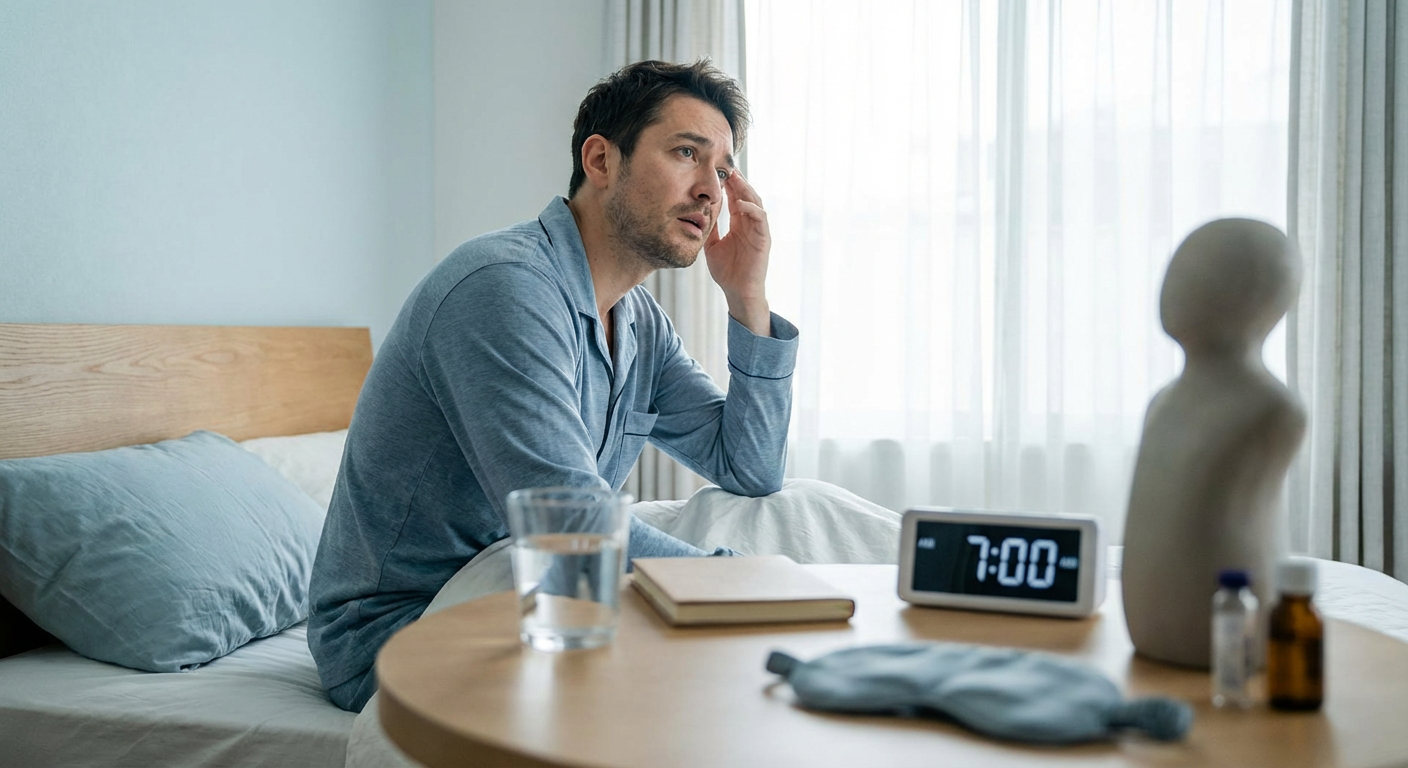
Experiencing weird vivid dreams or taste changes on GLP-1s? You aren't crazy. Discover 5 strange side effects beyond nausea and why they happen.
If you’ve started your journey with a GLP-1 medication you were likely prepared for the standard gastrointestinal side effects. Your doctor warned you about the nausea, the internet warned you about "sulfur burps," and you probably stocked up on ginger chews hoping for the best. But then, more unusual symptoms may have emerged.
Perhaps you woke up drenched in sweat after a dream worthy of a cinema screen, or maybe your morning coffee suddenly tasted metallic. While the weight loss results of GLP-1s are headline news, these medications navigate a complex highway between your gut and your brain. Occasionally, that metabolic traffic creates some surprising physiological scenery. Let’s explore the stranger side effects of GLP-1s, why they occur, and how to manage them professionally.
Technicolor Sleep: The Phenomenon of Vivid Dreams
- One of the most frequently reported "off-label" experiences is a sudden shift in dream intensity. Users describe dreams that are hyper-realistic, bizarrely specific, or emotionally saturating. These aren't just vague images; they are immersive experiences where you might smell the air or have coherent, lengthy conversations.
Why does this happen? While clinical research is evolving, experts point to three leading theories:
Blood Sugar Fluctuations: GLP-1s stabilize blood sugar, but they can cause improved regulation that leads to dips during the night. Mild hypoglycemia is a known trigger for vivid nightmares or restless sleep.
The Gut-Brain Connection: Approximately 95% of your serotonin is produced in the gut. Since GLP-1s slow digestion and impact gut hormones, they may be influencing sleep chemistry via the vagus nerve.
Metabolic Shift: As your body shifts more into a fat-burning mode (ketosis), the brain’s fuel source changes, which can subtly alter REM cycles.
"Why Does My Mouth Taste Like Pennies?" (Dysgeusia)
You take a sip of water or a bite of an apple, and suddenly it tastes metallic, bitter, or simply "off." This condition is called dysgeusia, and it is a surprisingly recurring complaint within parts of the GLP-1 community.
Why does this happen?
Xerostomia (Dry Mouth): These medications can reduce saliva production. A dry mouth concentrates flavors and bacteria, often resulting in a lingering metallic or sour taste.
Zinc Deficiency: A metallic taste could be a sign of zinc deficiency if intake of zinc containing foods drops too low.
The "Meh" Factor: Anhedonia and Reduced Pleasure
- Anhedonia is the reduced ability to feel pleasure. For many, food was a primary source of dopamine. GLP-1s work by dampening the "reward center" in the brain. However, biology is complex; sometimes, that dampening effect spills over into other areas of life. You might feel temporarily less excited about hobbies, socializing, or intimacy.
Why does this happen? GLP-1 receptors are located throughout the mesolimbic dopamine system: your brain's pleasure pathways. The drug is doing its job by quieting "food noise," but for sensitive responders, it may turn the volume down on general enthusiasm. This is usually a temporary adjustment period as your brain learns to regulate dopamine without sugar spikes.
The "I Hate My Favorite Food" Shift
- Remember that fast-food burger or specific chocolate brand you used to crave? Now, the mere thought of it might seem unappealing.
Why does this happen? This represents a shift in palatability. High-calorie, ultra-processed foods are engineered to hit the "bliss point" in your brain. GLP-1s effectively block that signal. Without the chemical reward, greasy or overly sweet foods may just come off as heavyn and cloying.
The Silver Lining: Many users report a natural, organic craving for water-rich foods: ice water, cucumbers, and citrus, as the body begins to prioritize hydration over sugar.
The Great Quieting: Reduction in Compulsive Behaviors
- This is perhaps the most fascinating "side effect" currently under study. Many users notice it isn't just the desire for cookies that has vanished, it is the urge to shop online, the evening glass of wine, or the compulsion to smoke.
Why does this happen? By targeting the brain’s reward circuitry, GLP-1s interrupt the feedback loop of compulsion. The "anticipatory" dopamine spike you usually experience before you buy the shoes or pour the drink is flattened.
Final Thoughts
These strange sensations are proof that the medication is working on a neurological level to change your relationship with reward and satiety. Most of these sensory shifts are temporary. Stay curious about your body, give yourself grace during the adjustment period, and maintain your sense of humor, because sometimes, the best way to handle a dream about a dinosaur in a grocery store is to simply laugh it off.
Disclaimer: This content is for informational purposes only and does not constitute medical advice. Always consult your healthcare provider regarding side effects or changes in your medication.