Why Sleep Matters More Than You Think for Weight Loss
By GLPeak Team · 2026-09-29
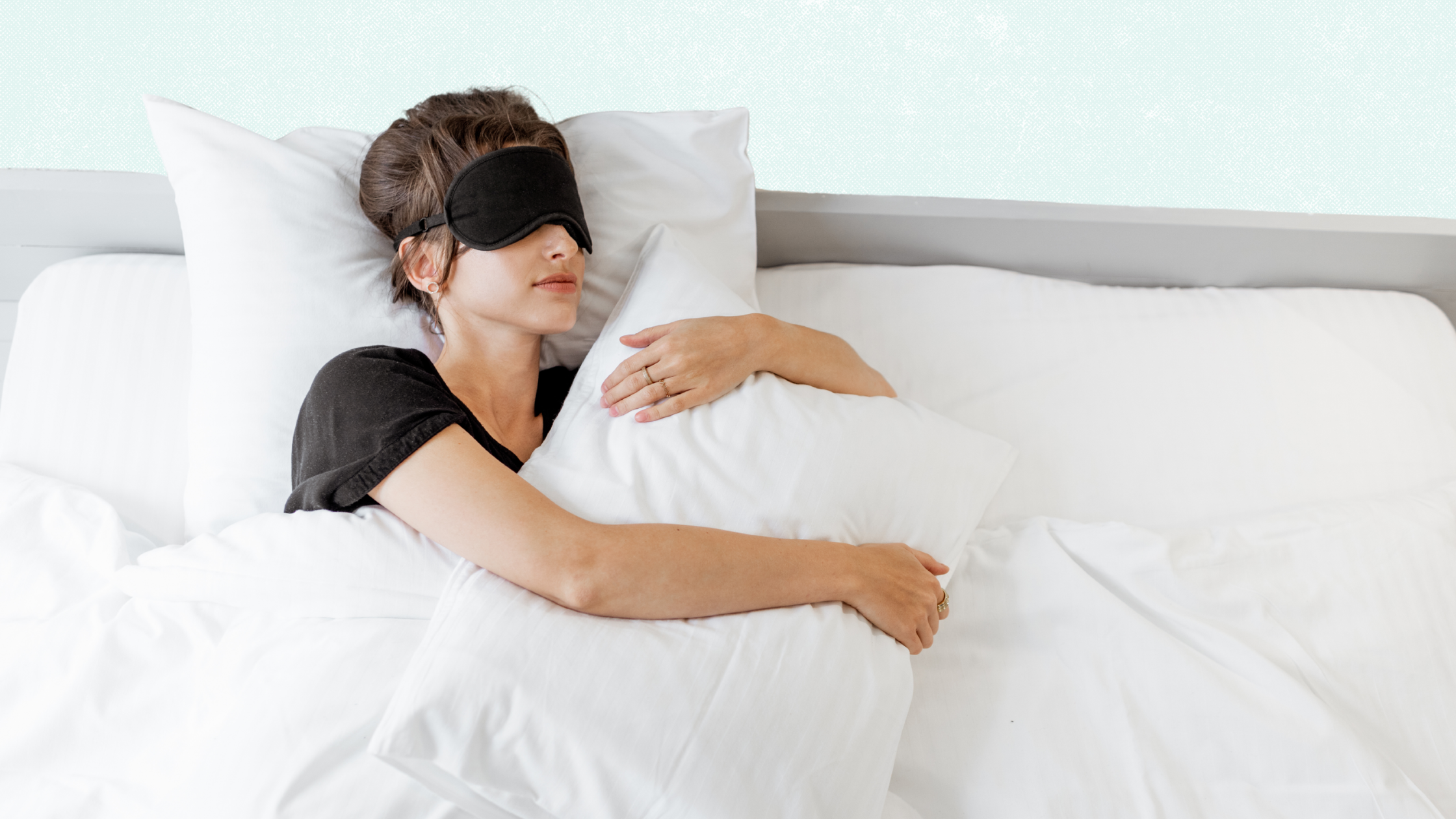
Struggling to shed pounds? Discover how a simple shift in your sleep habits can naturally slash your calorie intake and supercharge your weight loss results.
Most of us know someone who swears they're fine on five or six hours of sleep. Maybe that's you. You can probably get through the day on that much. Whether your body is doing what you want it to do on that much is a different question, and one place it shows up is in how much you end up eating.
More Sleep, Fewer Calories
Evidence on this comes from a randomized clinical trial published in JAMA Internal Medicine in 2022. Researchers at the University of Chicago and the University of Wisconsin–Madison recruited 80 young adults with overweight who habitually slept less than 6.5 hours a night. People with sleep apnea, insomnia, or shift work schedules were excluded.
Participants were randomly assigned either to a sleep extension group or to a control group that kept their usual routine. The sleep extension group received a personalized sleep hygiene counseling session aimed at increasing their time in bed. Everyone continued living at home and eating whatever they wanted. Nobody kept a food log. Instead, researchers measured how many calories each person burned using a technique called doubly labeled water, then combined that with daily weigh-ins and body composition scans to see whether the body was gaining or losing stored energy.
Over the two-week intervention, the sleep extension group slept an average of 1.2 hours more per night. They also took in roughly 270 fewer calories per day than the control group.
Two weeks is short, and the study measured calorie intake rather than long-term weight loss, so it doesn't tell us how much weight someone would lose by sleeping more over months. What it does show is that a single change to sleep, in real-world conditions, led people to eat meaningfully less.
How Much Is Enough
The American Academy of Sleep Medicine and the Sleep Research Society recommend at least seven hours a night for adults, on a regular basis.
When the Medication Seems to Be Affecting Your Sleep
Insomnia isn't among the most common side effects listed for GLP-1s. Fatigue is, which is worth knowing if you're feeling more tired than usual.
People do often report sleep changes after starting these medications. Some say they sleep better, and some say worse. When it's worse, one of the medication's other effects showing up at night can be part of the reason:
Nausea, heartburn, or reflux, which can get worse lying flat after eating
Constipation, diarrhea, or abdominal pain
Low blood sugar, mainly for people also taking insulin or certain other diabetes medications
Changes in how other oral medications are absorbed, including psychiatric medications, since these medications slow down digestion
One More Sleep Connection
Tirzepatide is FDA-approved as Zepbound for moderate to severe obstructive sleep apnea in adults with obesity. Sleep apnea repeatedly interrupts breathing and sleep through the night, and excess weight is a major risk factor. If you snore heavily, wake up gasping, or feel exhausted after what should have been a full night, it's worth bringing up with your provider.
References:
1. Tasali E, Wroblewski K, Kahn E, Kilkus J, Schoeller DA. Effect of sleep extension on objectively assessed energy intake among adults with overweight in real-life settings: a randomized clinical trial. JAMA Intern Med. 2022;182(4):365-374. doi:10.1001/jamainternmed.2021.8098. https://pubmed.ncbi.nlm.nih.gov/35129580/
2. Watson NF, Badr MS, Belenky G, et al. Recommended amount of sleep for a healthy adult: a joint consensus statement of the American Academy of Sleep Medicine and Sleep Research Society. Sleep. 2015;38(6):843-844. https://pubmed.ncbi.nlm.nih.gov/26039963/
3. Zepbound (tirzepatide) prescribing information. Eli Lilly and Company. DailyMed. https://dailymed.nlm.nih.gov/dailymed/drugInfo.cfm?setid=487cd7e7-434c-4925-99fa-aa80b1cc776b
This blog is for informational purposes only and does not constitute medical advice. Talk with your provider if you're experiencing sleep changes on your medication.