Taking Oral GLP-1s? Why "Nothing Happening" in the First Month is Normal
By GLPeak Team · 2026-02-25
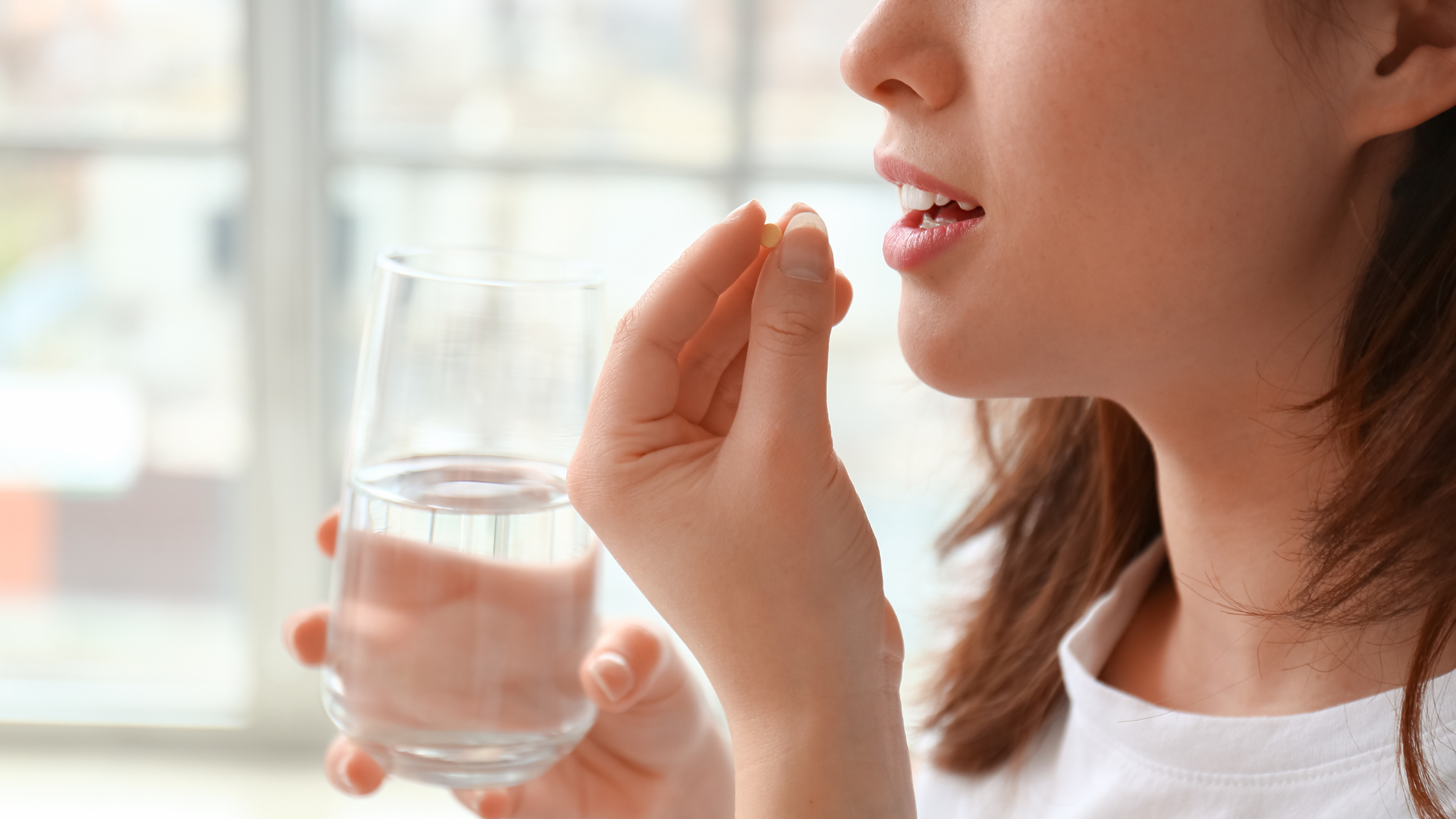
Worried your oral GLP-1 isn't working? Discover why seeing no results in the first month is biologically normal and not a sign of failure.
It is a scenario playing out in bathrooms and kitchens across the world every morning: You wake up, take your daily oral GLP-1 medication (like the Wegovy pill) strictly according to the instructions, and wait. And wait.
Two weeks go by. Then three. You step on the scale, and the number hasn’t budged. You sit down to dinner, and your appetite feels... mostly normal.
Meanwhile, your friend who started the injectable version (Wegovy or Ozempic) on the same day is already talking about how they can’t finish a sandwich and have lost four pounds.
Naturally, you start to panic. Is my body immune to this? Is the medication a dud? Why isn’t it working?
If you’re feeling discouraged, take a breath. It’s likely not a lack of willpower, but a matter of biology. In many GLP-1 support groups, you’ll find a common narrative that the injection is "superior" or "faster" than the pill. While these anecdotal reports are frequent, it’s important to note that they aren't always supported by head-to-head clinical data. Every body responds differently. However, there are real physiological reasons why the oral version might feel like it has a longer fuse than the injection. Understanding the science behind that can help you manage expectations while your body adjusts.
The Obstacle Course of Pills
To understand why you aren't feeling effects in weeks one or two, you have to understand how the medication enters your bloodstream.
When someone takes a GLP-1 injection, they are bypassing the body’s primary defense system: the digestive tract. The needle delivers the medication directly into the subcutaneous tissue, where it is absorbed into the bloodstream efficiently. It is the biological equivalent of having a VIP backstage pass; the medication walks right in and starts working almost immediately.
The oral pill, however, has to run a gauntlet.
The stomach is designed to destroy things. Its job is to break down proteins (peptides) into amino acids so your body can use them. GLP-1 medications are peptides. If you simply swallowed a standard semaglutide pill, your stomach acid and enzymes would digest it just like a piece of steak, rendering it useless before it ever reached your bloodstream.
The Bioavailability Bottleneck
Because the stomach is so hostile to peptides, pharmaceutical scientists had to develop a special technology (often using a molecule called SNAC) to help the medication survive the stomach's acid bath and slip through the stomach lining.
However, even with this advanced technology, the bioavailability (the amount of drug that actually enters your circulation) of oral GLP-1s is extremely low: often less than 1%.
When you take the injection, you are getting a massive, direct surge of the drug. When you take the pill, your body is only absorbing a tiny fraction of the active ingredient. This means it takes much longer to build up a steady concentration in your body known as the "steady state."
The takeaway: The silence you feel in the first month isn't a sign that the drug isn't working; it's a sign that your body is slowly accumulating the medication through a very difficult delivery system.
The Titration Period: Managing Expectations
This is the most common reason for discouragement: You are likely taking a dose that isn't designed to make you lose weight.
Oral semaglutide requires a strict "titration" (step-up) schedule to avoid severe gastrointestinal side effects.
Initial Phase (3mg daily): This is widely considered an initiation dose. In clinical trials, the 3mg dose often shows minimal impact on weight or appetite. Its primary role is to "prime" your system.
The "Step-Up" (7mg daily): This is where some patients begin to notice subtle changes, though it is still not the maximum therapeutic dose for many.
Therapeutic Doses (14mg, 25mg, or 50mg daily): Significant weight loss and appetite suppression are more commonly reported at these higher levels.
If you are in week three on the starter dose, you are judging the movie by the opening credits. The injection users often start getting therapeutic effects faster because the bioavailability is so much higher, but oral users have to climb the ladder slowly.
The "Rules of Engagement" Are Stricter
Another reason you might feel the medication isn't working is the fragility of that absorption process. Because the absorption rate is already so low, simple daily variables can wipe out the dose entirely.
With an injection, you can eat a cheeseburger or run a marathon right after dosing, and it still absorbs. With the pill, the rules are rigid:
The Empty Stomach Rule: The pill needs to be the first thing in your stomach. Food or other liquids can interfere with the SNAC carrier’s ability to protect the medication.
The Water Limit: Clinical guidelines suggest taking the pill with no more than 4 ounces (half a cup) of plain water.
The Waiting Game: If you eat or drink coffee 15 minutes after the pill instead of waiting the full 30, you may have rendered that day's dose less effective.
Signs It Is Working (That Aren't Weight Loss)
While you wait for the scale to move, look for subtle shifts.
Is the "food noise" louder or softer? Do you obsess over your next meal slightly less?
Do you feel full after three tacos instead of four?
Are your energy levels stabilizing after meals (a sign of blood sugar regulation)?
Practical Tips for the "Waiting Period"
If you are in the first 60 days of oral GLP-1s and feeling discouraged, use these strategies to stay on track:
1. Perfect Your Morning Routine
Treat your pill intake like a sacred ritual. Place it on your nightstand. Wake up, take it with a tiny sip of water (just enough to get it down), and set a timer on your phone for 30 to 45 minutes. Do not brush your teeth, drink coffee, or eat anything until that alarm goes off.
2. Stop Comparing to Injectable Users
Comparison is the thief of joy, and in this case, accuracy. You are taking a different route to the same destination.
3. Trust the Titration
Do not try to double up pills or rush the process. Increasing your dose before your body is ready can lead to vomiting and diarrhea, which will only set you back further.
4. Hydration (Later in the day)
While you restrict water during the dosing window, hydrate consistently the rest of the day.
Conclusion: Patience Pays Off
It is common to feel very little in the first month of treatment. While anecdotal evidence suggests the injection might feel more "immediate," the pill is a marvel of modern science that is simply fighting an uphill battle against your digestive system every day. It needs time to build its presence in your bloodstream.
Stick to the protocol, give the titration process time to reach the higher doses, and remember that your journey is a marathon, not a sprint.
Disclaimer: This content is for informational purposes only and is not medical advice. Always consult your healthcare provider regarding your medication schedule and side effects.