Renoprotective Pathways: The Evolving Science of GLP-1 and Kidney Health
By GLPeak Team · 2026-04-28
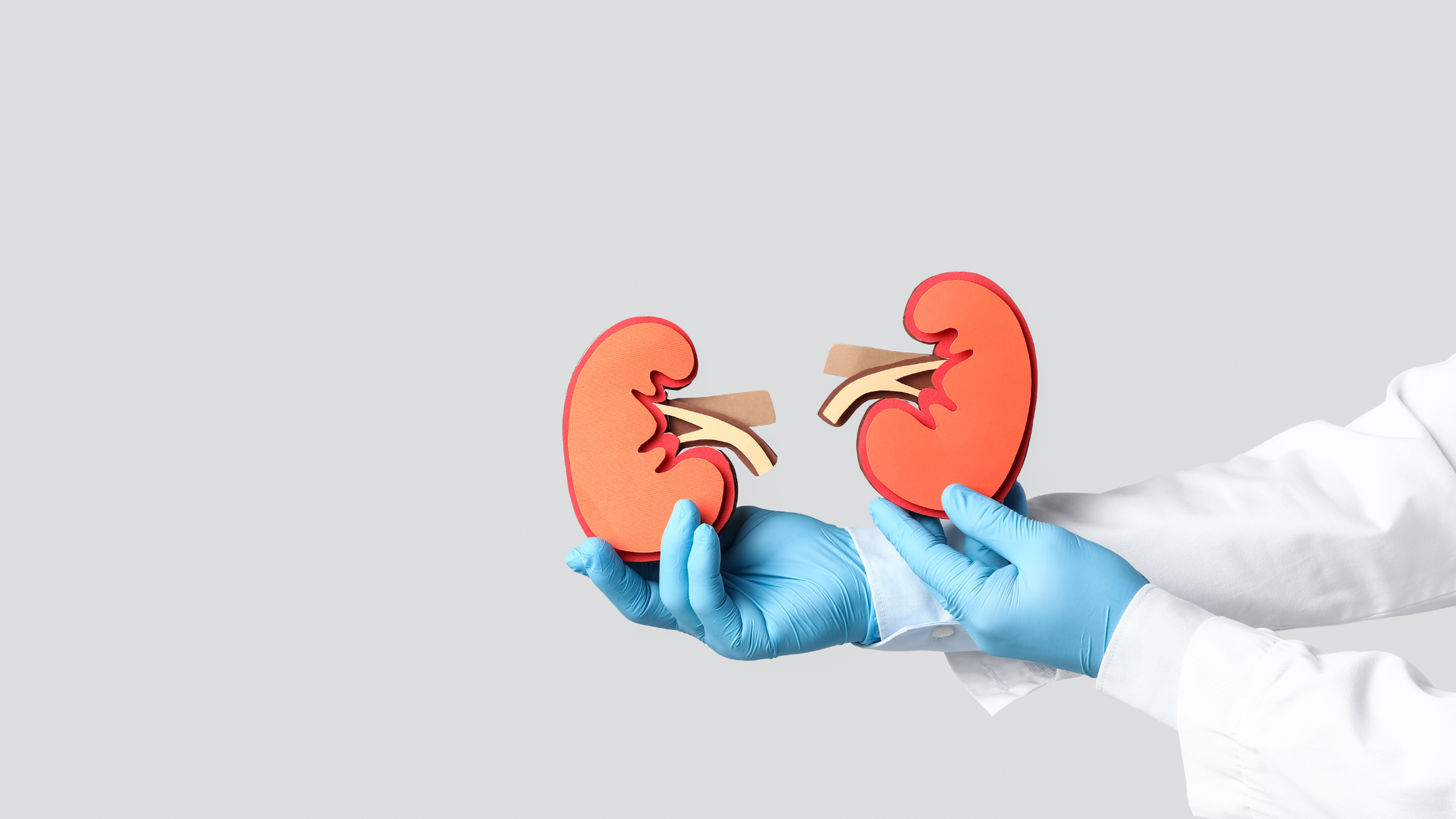
Beyond weight loss, GLP-1s are revolutionizing kidney care. Discover how the latest FLOW trial data reveals new pathways for protecting renal function and health.
The physiological relationship between GLP-1 medications and the kidneys is a key area of metabolic research in 2026. While these drugs are best known for weight management, their impact on renal function involves direct interactions with the kidney's filtration units and sodium-handling pathways.
Data from the FLOW trial, released in early 2026, confirmed that these medications provide significant renal protection. By understanding the underlying science, patients can better manage their health during treatment.
Renal Hemodynamics: Managing Filter Pressure
The kidneys contain millions of tiny clusters of blood vessels called glomeruli that filter waste from the blood. These filters are sensitive to high internal pressure. GLP-1 medications support these structures through a process called hemodynamic modulation:
Vasodilation: These medications help relax the afferent arterioles, which are the small arteries that bring blood into the kidney's filters. This relaxation ensures consistent blood flow and prevents the filters from being overwhelmed by high systemic blood pressure.
Reducing Hyperfiltration: In conditions like diabetes or obesity, the kidneys often work too hard, a state known as hyperfiltration. GLP-1 therapy helps normalize this rate, reducing long-term wear and tear on the kidney's internal architecture.
Stabilizing the Barrier: One of the most important metrics of kidney health is the urine albumin-to-creatinine ratio. When kidneys are stressed, they leak a protein called albumin into the urine. Clinical evidence shows that GLP-1s significantly reduce this protein loss, which indicates the kidney's filtration barrier is becoming more secure and effective.
Natriuresis: The Sodium-Hydrogen Exchanger
GLP-1 medications also change how the kidneys handle salt. This process, known as natriuresis, happens primarily in the proximal tubule of the kidney.
The medication inhibits a specific protein called the sodium-hydrogen exchanger 3 (NHE3). Normally, this protein pulls sodium back into the bloodstream. By blocking its activity, the medication allows excess sodium to be excreted through the urine. This action helps lower total blood volume and systemic blood pressure, which further protects the kidneys from hypertensive damage.
Uric Acid and Gout
It is important to understand the 12% relative increase in gout cases noted among GLP-1 users in 2026 studies. Gout is caused by the accumulation of uric acid, and its connection to weight loss is a matter of metabolic concentration:
Metabolic Breakdown: Rapid weight loss puts the body in a catabolic state, where it breaks down fat and tissue for energy. A byproduct of this breakdown is an increase in uric acid production.
Hydration Volume: Because GLP-1s can quiet the brain's thirst signals, patients often drink less water.
The Result: When you have more uric acid being produced but less water moving through the kidneys to flush it out, the concentration of that acid in the blood increases. This is when crystals can form in the joints. This is not a toxic effect of the medication; it is a secondary result of the speed of weight loss combined with low fluid intake.
A Focus on Support and Sustainability
The evidence from 2026 clearly shows that GLP-1 medications are a net benefit for the kidneys, reducing inflammation and physical stress on the organ. The key to realizing these long-term gains is supporting the renal environment during the active weight-loss phase.
Maintaining high fluid intake is a functional necessity to help the kidneys clear the byproducts of weight loss. By staying proactive with hydration, you allow your kidneys to utilize the protective benefits of the medication while avoiding the discomfort associated with concentrated metabolic byproducts.