Navigating the Electrolyte Hype: A Balanced Guide for GLP-1 Patients
By GLPeak Team · 2026-03-11
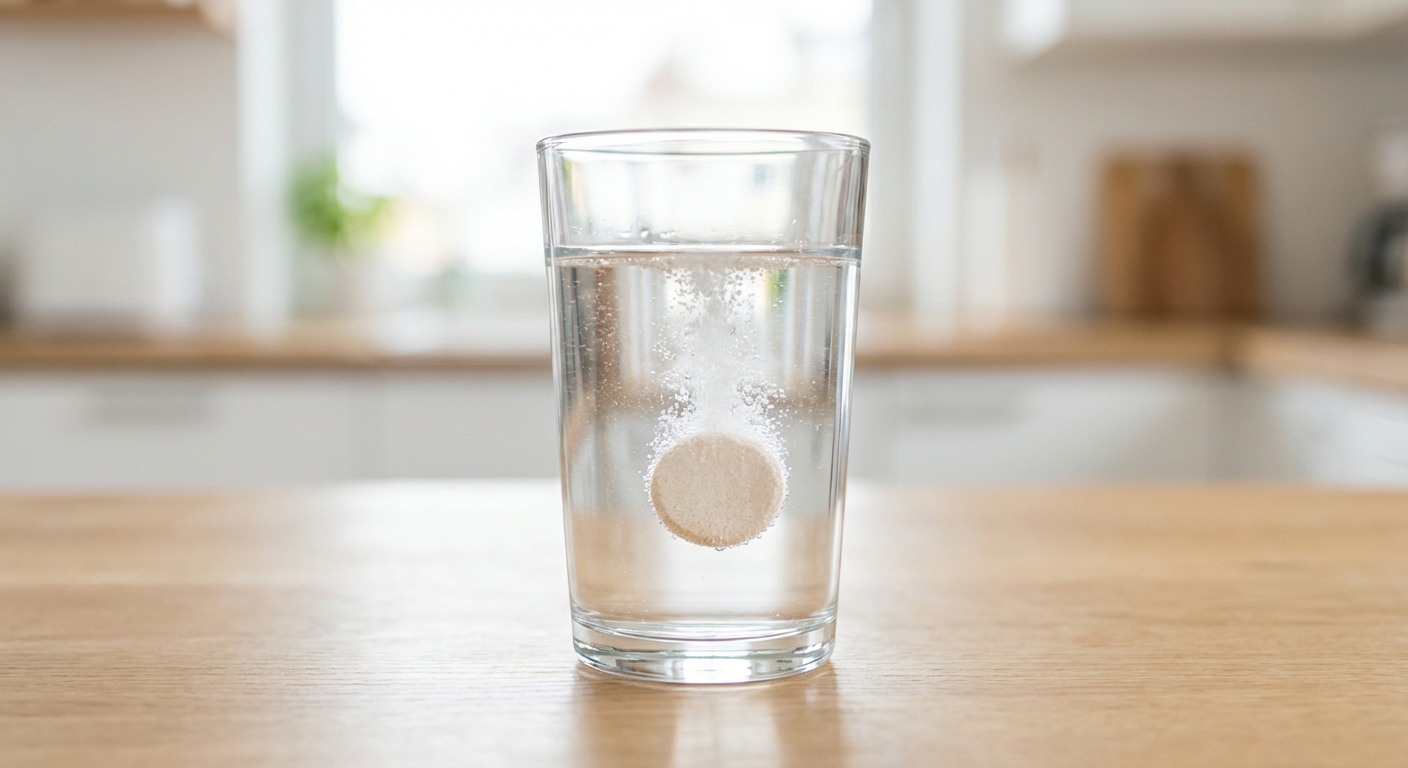
Do you really need electrolytes while on GLP-1s like Ozempic? Cut through the hype with our science-backed guide to proper hydration.
If you have recently started your journey with GLP-1 medications like Ozempic, Wegovy, Mounjaro, or Zepbound, you have likely noticed that the online community is buzzing with advice. Between social media influencers and well-meaning friends, there seems to be one particularly loud recommendation: “Drink your electrolytes!”
Navigating your health while on these medications is a learning curve, and it is completely normal to feel confused by the conflicting information out there. Is plain water enough? Will electrolytes stop the fatigue? Is the sodium going to affect my kidneys?
Here is a realistic guide to staying hydrated without falling for the hype.
Why Hydration Feels Different on GLP-1s
First, let’s validate what you are feeling physically. If you feel thirstier or more easily dehydrated than you used to, it’s not in your head. There are physiological reasons why medications like semaglutide and tirzepatide change your relationship with fluids.
Water loss on these medications generally stems from two main factors:
Increased Sodium Excretion: GLP-1 and GIP receptors in the kidneys signal your body to hold onto less salt. This process, called natriuresis, causes your kidneys to excrete more sodium into your urine. Because water naturally follows sodium, this creates a mild diuretic effect, leading you to lose more fluid than usual.
Slower Gastric Emptying: These medications slow down the rate at which your stomach empties. While this helps you feel full longer, it keeps the stomach wall stretched, stimulating the vagus nerve. This signals to the brain to "drown out" or suppress your natural thirst cues, making it feel physically difficult to drink large amounts of water.
This is why staying hydrated is so critical. Proper hydration is often the missing puzzle piece for patients struggling with common side effects like profound fatigue, dizziness upon standing, and general malaise.
The "Middle Ground" Approach to Electrolytes
The beauty of the human body is its ability to find balance, and your hydration strategy should reflect that.
There is a common misconception that because you are on a GLP-1, you must consume high-potency electrolyte supplements every single day. On the flip side, some believe electrolytes are just "expensive salt water" and should be avoided entirely.
The truth? You likely need a middle-ground approach.
Electrolytes (like sodium, potassium, and magnesium) are minerals that conduct electricity when mixed with water. They regulate nerve and muscle function and hydrate the body. While you don't need to be chugging them all day, ignoring them entirely when you are feeling the side effects of your medication can make you feel worse.
The Sodium Trap: More Isn’t Always Better
Here is where we need to be cautious. In an effort to avoid dehydration, many patients accidentally swing too far in the other direction and consume massive amounts of sodium.
Many popular electrolyte packets contain anywhere from 500mg to 1,000mg of sodium per serving. Unless you are an endurance athlete, that is a significant hit of salt.
The Risks of Excess Sodium
While some sodium is helpful for hydration (it helps you hold onto fluid), consuming excessive amounts can be counterproductive for your weight loss and wellness goals.
Bloating and Water Retention: If you aren’t sweating that salt out, your body will hold onto water to dilute it. This leads to puffiness and the scale stalling, not because you aren’t losing fat, but because you are retaining water.
Blood Pressure Concerns: If you are using GLP-1s to manage metabolic health or cardiovascular issues, keeping an eye on your sodium intake is vital.
The Rule of Thumb: Unless you are exercising intensely and sweating for more than an hour, you likely do not need a high-sodium electrolyte supplement. If you spend most of your day at a desk or doing light movement, water or a low-sodium option is usually sufficient.
The Surprising Role of Sugar
We are often conditioned to fear sugar, especially when trying to manage weight or blood glucose. However, when it comes to rapid rehydration, a little bit of sugar is actually a tool, not a treat.
Mechanically, hydration happens most efficiently via a process called the Sodium-Glucose Cotransport System. To put it simply: a small amount of sugar (glucose) helps unlock the cell's "door," allowing electrolytes and water to rush in faster.
If you are feeling very lightheaded or dehydrated, a solution with a few grams of sugar might actually help you feel better faster than a strictly zero-sugar option.
Practical Tips: When to Use Electrolytes
You do not always need a dedicated electrolyte supplement. Many people meet their needs effectively through a balanced diet and adequate fluid intake. However, there are specific times when reaching for that packet or tablet is a smart move.
1. Listen to Your Symptoms
Your body sends signals before it crashes. You might benefit from an electrolyte drink (or a tablet added to water) if you experience:
Dizziness or Lightheadedness: Especially when standing up quickly.
Muscle Cramps: Often a sign of magnesium or potassium imbalance.
Very Dark Urine: Aim for a pale straw color.
Fatigue: The kind that sleep doesn't seem to fix.
2. Manage Side Effects
If you are experiencing nausea that leads to vomiting, or if you are dealing with diarrhea (a common side effect as your body adjusts to the medication dose), you are losing fluids rapidly. In these instances, water alone isn't enough. You need to replace the lost minerals.
3. Sip, Don't Chug
Because of the delayed gastric emptying we mentioned earlier, your stomach cannot handle a large volume of liquid at once.
The Strategy: Aim for around 2 liters of fluids daily as a general guide, but sip steadily throughout the day.
The Risk: Chugging 16oz of water at once can lead to uncomfortable fullness, regurgitation, or nausea. Keep a water bottle nearby and take small sips consistently.
Conclusion: Trust Your Body
Navigating life on tirzepatide or semaglutide can be complex, and you are doing a great job just by showing up for your health every day.
Remember that hydration doesn't have to be an all-or-nothing game. You don't need to fear electrolytes, but you also don't need to overdo them. Be mindful of sodium to avoid bloating, recognize that a little sugar can help absorption, and pay attention to how you feel.
If you are eating a balanced diet with fruits and vegetables, you are likely getting many of the electrolytes you need naturally. Use supplements as a helpful tool when you feel “off,” sweaty, or symptomatic, not as a mandatory rule for every glass of water you drink.
Stay hydrated, sip slowly, and be kind to yourself as you adjust. You’ve got this.