Menopause and GLP-1 Medications: Why Midlife Weight Loss Is Different and What the Research Shows
By GLPeak Team · 2026-09-08
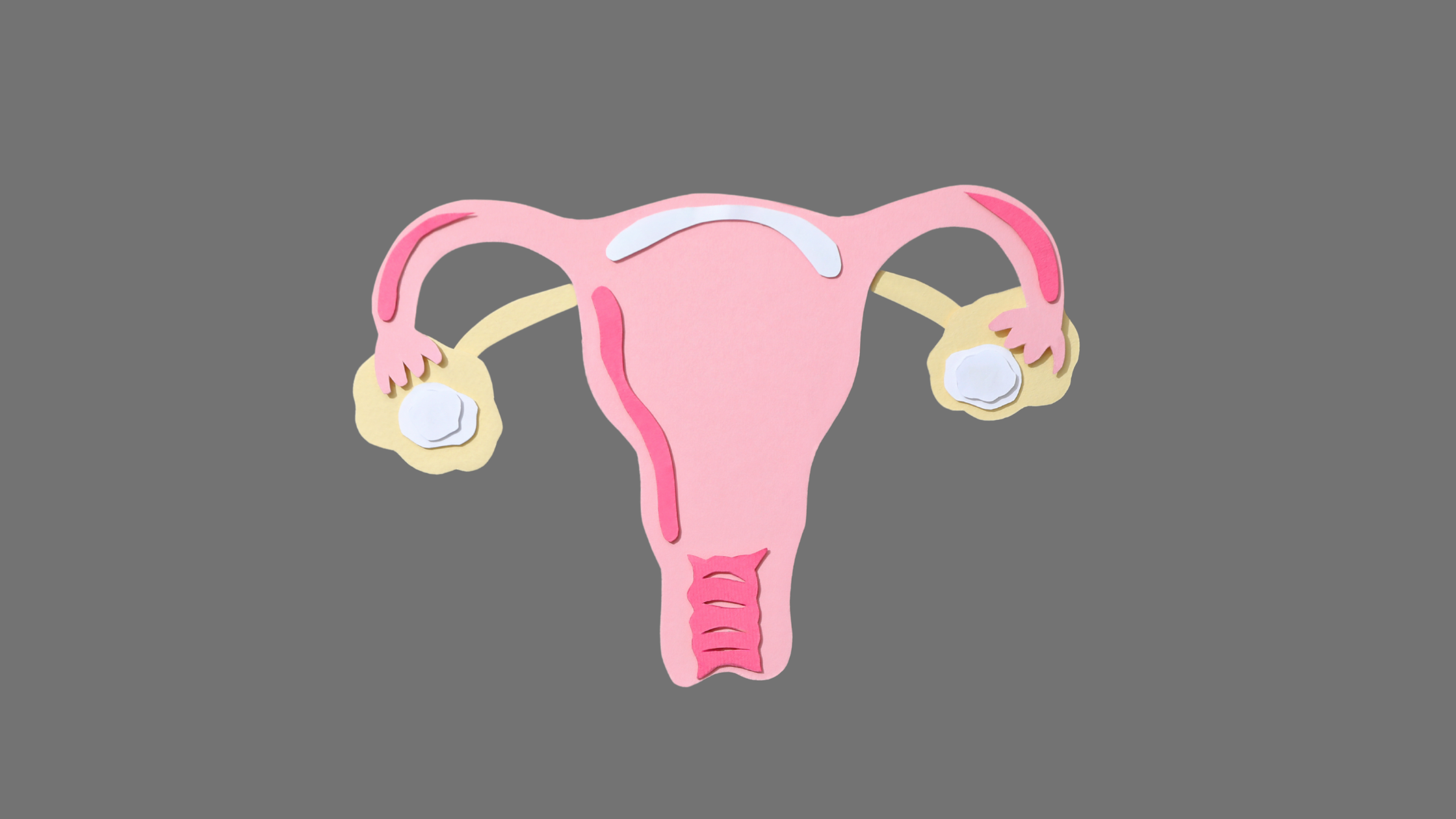
Struggling with midlife weight gain? Discover how shifting hormones impact fat loss and why women are turning to GLP-1 medications to reclaim their metabolic health.
If you've felt like your body stopped responding to the things that used to work, you're likely not imagining it.
Somewhere in your forties or fifties, the habits that reliably kept your weight steady stop delivering. The weight settles differently, mostly around your middle now, in a way it never did before. You're doing the same things, sometimes more of them, and the scale doesn't care. Plenty of women get told to eat less and move more, which lands as both unhelpful and beside the point when their underlying physiology has genuinely changed.
Declining estrogen is associated with more visceral fat, faster loss of lean muscle, and reduced insulin sensitivity. Those changes happen alongside aging rather than purely because of it, which is part of why they can feel like they arrived overnight.
A lot of women in this stage of life have turned to GLP-1 medications, and the numbers are striking. In a nationally representative RAND survey of 8,793 US adults conducted in spring 2025, women aged 50 to 64 reported the highest GLP-1 use of any age group, with roughly one in five saying they currently use or have used one. Women aged 30 to 49 were more than twice as likely as men their age to have used one.
Here's the frustrating part. Despite being among the heaviest users of these medications, the gender specific challenges of women in midlife have been largely absent from the research examining how they actually perform in this population. It's a familiar pattern in medicine, and the practical consequence is that women and their providers often make decisions with incomplete information during one of the more physiologically demanding transitions of life.Thankfully, that's starting to change.
What the Newest Research Found
A study published in The Lancet Obstetrics, Gynaecology, & Women's Health in January 2026 asked a question that hadn't been directly examined before. Does hormone replacement therapy change how well a GLP-1 medication works?
Researchers at Mayo Clinic looked at 120 postmenopausal women with a BMI of at least 27 who had taken tirzepatide for a year or longer. Forty were also using HRT. The other eighty, matched for similar characteristics, were not. Average age was 56.4. The women using HRT lost 19.2% of their body weight at last follow-up. Those not using it lost 14.0%, a mean difference of 5.2%. A higher proportion of the HRT group also reached total body weight reductions of at least 20%, 25%, and 30%.
Both groups improved on blood sugar, blood pressure, and liver enzymes. The HRT group saw additional reductions in diastolic blood pressure, triglycerides, and aspartate aminotransferase, one of the liver enzymes measured. An earlier study from the same team, published in Menopause in 2024, found a similar pattern with semaglutide.
This was a retrospective study, meaning researchers reviewed existing medical records rather than randomly assigning anyone to anything, so it can identify an association but not prove HRT caused the difference. With only 40 women in the HRT group and 94% of participants White, the findings are also preliminary rather than broadly generalizable.
Additionally, HRT on its own has not produced meaningful weight loss in placebo-controlled trials. It is not a weight loss treatment. The question being asked is whether estrogen might make a GLP-1 medication work better than it otherwise would.
What's Coming
A randomized controlled trial at University Hospital Bern is testing whether restoring estradiol through hormone therapy improves blood sugar control and enhances GLP-1 effects in early postmenopausal women with pre-diabetes or type 2 diabetes. Primary completion is estimated for December 2026. A second trial is examining whether tirzepatide affects hot flashes and night sweats, along with markers of biological aging, in postmenopausal women with obesity.
Where This Leaves Us
The current evidence points to an association between HRT and greater weight loss on GLP-1 medications in postmenopausal women. It does not establish causation, and the studies so far have been small and demographically narrow. Randomized results could arrive within the next several months.
What the data already makes clear is that midlife weight change is physiological, not a failure of discipline, and that a population which should have been studied from the start is finally getting attention.
References:
1. Castaneda R, Bechenati D, Tama E, et al. The role of menopause hormone therapy in modulating tirzepatide-associated weight loss in postmenopausal women with overweight or obesity: a retrospective cohort study. Lancet Obstet Gynaecol Womens Health. 2026;2(2). doi:10.1016/S3050-5038(25)00145-1. https://www.thelancet.com/journals/lanogw/article/PIIS3050-5038(25)00145-1/abstract
2. Hurtado MD, Tama E, Fansa S, et al. Weight loss response to semaglutide in postmenopausal women with and without hormone therapy use. Menopause. 2024;31(4):266-274. doi:10.1097/GME.0000000000002310. https://pubmed.ncbi.nlm.nih.gov/38446869/
3. Bozick R, Donofry S, Rancaño KM. New Weight Loss Drugs: GLP-1 Agonist Use and Side Effects in the United States. RAND Corporation. 2025. https://www.rand.org/pubs/research_reports/RRA4153-1.html
4. RAND Corporation. Nearly 12 percent of Americans have used GLP-1 weight loss drugs; medications are most used by women aged 50 to 64. August 6, 2025. https://www.rand.org/news/press/2025/08/nearly-12-percent-of-americans-have-used-glp-1-weight.html
5. Mayo Clinic News Network. New study links combination of hormone therapy and tirzepatide to greater weight loss after menopause. January 2026. https://newsnetwork.mayoclinic.org/discussion/new-study-links-combination-of-hormone-therapy-and-tirzepatide-to-greater-weight-loss-after-menopause/
6. GLP-1 receptor agonists for weight loss for perimenopausal and postmenopausal women: current evidence. Curr Opin Obstet Gynecol. 2025;37(2). https://pubmed.ncbi.nlm.nih.gov/39970049/
7. Menopausal Hormone Therapy, GLP-1 Agonists, and Metabolic Health. ClinicalTrials.gov identifier NCT06715514. https://clinicaltrials.gov/study/NCT06715514
8. The Effect of Tirzepatide on Menopausal Vasomotor Symptoms and Biological Aging in Post-menopausal Women With Obesity. ClinicalTrials.gov identifier NCT07218445. https://clinicaltrials.gov/study/NCT07218445
This blog is for informational purposes only and does not constitute medical advice. Always consult your healthcare provider about which treatments are appropriate for you.