How to Hit Your Protein Goals on GLP-1 Medications
By GLPeak Team · 2026-06-30
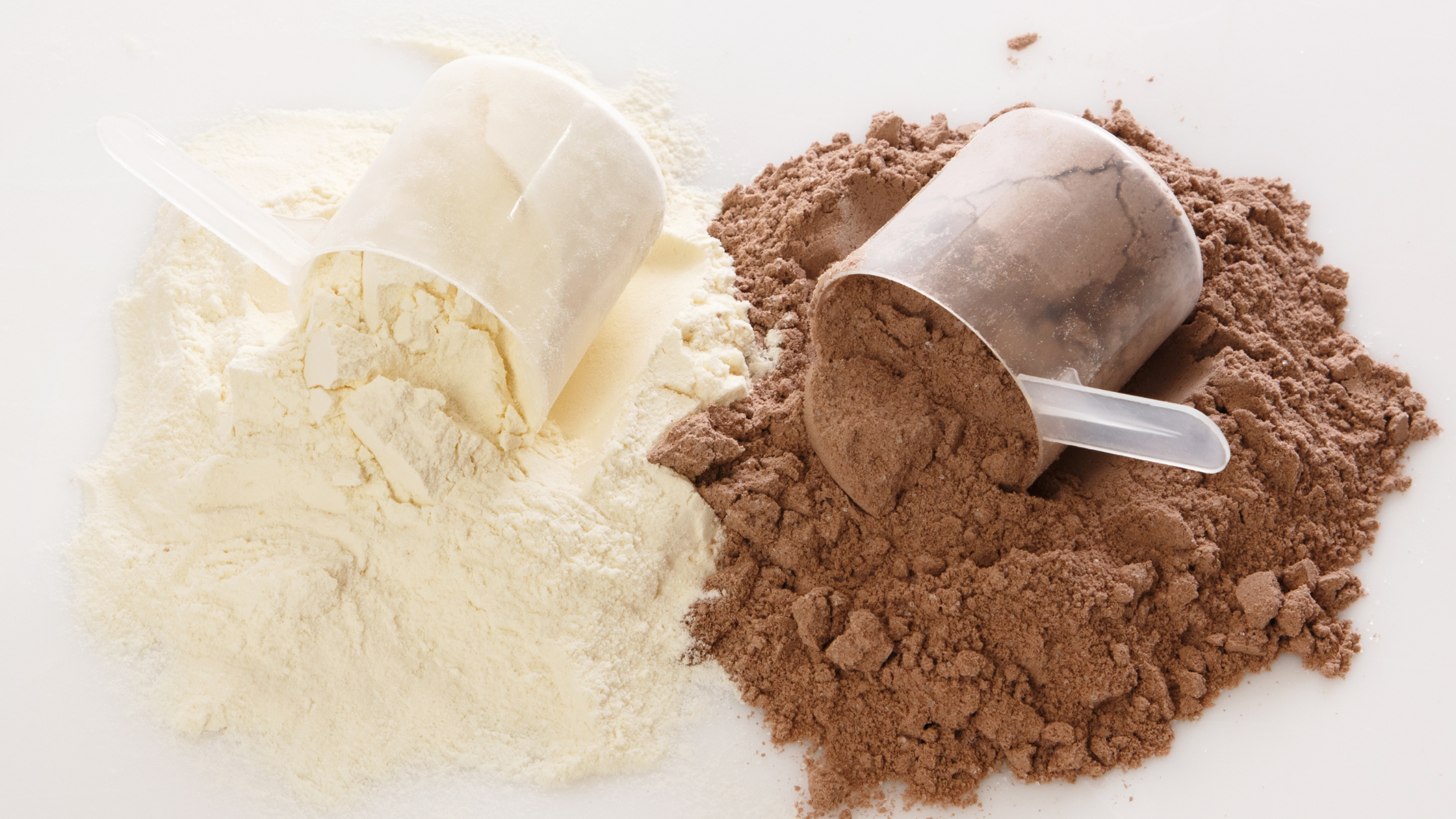
Discover why protein is the key to GLP-1 success and how to hit your daily goals even when your appetite is low.
Here's a number that surprises most people: up to 40 percent of weight lost on GLP-1 medications can be muscle mass rather than fat. That's not inevitable, but it's what happens when protein intake drops too low.
The single most important nutritional habit on GLP-1 medications isn't counting calories. It's protecting your protein.
Why Protein Matters More on GLP-1s
When appetite suppression kicks in, most people naturally eat less overall. That's a good thing, but it also means your body needs a little extra guidance about what to use for fuel. Getting enough protein is how you signal to your body that muscle is worth holding onto.
Without it, weight loss can include more muscle than we'd like, which can affect your energy levels, strength, and how you feel day to day. The goal isn't just a smaller number on the scale. It's feeling strong and capable throughout the process.
Protein does three critical things during weight loss: it preserves lean muscle mass, it keeps you feeling satisfied longer (which helps even when appetite is already suppressed), and it supports recovery and energy.
How Much Protein Do You Actually Need
A common target for people on GLP-1 medications is 25 to 35 grams of protein per meal. If you're eating three meals a day, that puts you in the range of 75 to 105 grams daily, a solid baseline for most adults losing weight.
For a more personalized number, many dietitians recommend 1.2 to 1.6 grams of protein per kilogram of your goal body weight. So if your goal weight is 73 kilograms (about 160 pounds), you'd aim for roughly 88 to 117 grams per day.
That can sound like a lot, especially when your appetite has cratered, but it's very doable with the right strategy.
High-Protein Foods That Work When Appetite Is Low
Not all protein sources are created equal when your stomach is sensitive and your portions are small. The key is density, getting the most protein per bite.
Top tier options:
Greek yogurt — 15 to 20 grams per serving
Eggs — 6 grams each (scrambled, hard-boiled, or in an omelet)
Cottage cheese — 14 grams per half cup
Chicken breast or turkey — around 25 grams per 4 ounces
Canned tuna or salmon — 20 grams per can
Edamame — 17 grams per cup
Protein shakes or bars — as a supplement when solid food feels like too much
Fairlife protein shakes and Orgain shakes are popular in the GLP-1 community for their smooth texture and high protein content.
The "Protein First" Rule
When you sit down to eat, eat your protein first. Before the vegetables. Before the carbs. Before the bread.
Since you'll be eating smaller portions, this ensures the most nutrient-dense part of your meal gets priority. If you get full after six bites, those six bites should include protein.
This simple habit, protein first at every meal, is one of the highest-impact changes you can make.
What About Protein Supplements
Supplements aren't a replacement for real food, but they're a practical tool for the days when eating feels impossible. A quick shake takes about 30 seconds to prepare and delivers 20 to 30 grams of protein without requiring much appetite.
Look for shakes with:
At least 20 grams of protein per serving
Low added sugar (under 5 grams)
Avoid sugar alcohols or artificial sweeteners, which can upset a sensitive stomach
Whey protein isolate is well-tolerated by most people and is a reliable, straightforward option. For those avoiding dairy, pea protein is a high-quality plant-based alternative that digests well and mixes easily.
Use a Calculator to Set Your Target
GLPeak includes a TDEE and protein calculator that helps you set a personalized daily protein target based on your current weight, goal weight, and activity level. Having a concrete number makes it much easier to plan your meals and check in on your progress.
You don't need to hit the number perfectly every day. But knowing whether you're consistently getting 60 grams or 100 grams makes a meaningful difference in your results.
Sample High-Protein Day
Breakfast: Two scrambled eggs + turkey sausage + cottage cheese ~35g
Lunch: Grilled chicken salad with chickpeas and feta ~30g
Afternoon: Protein shake with almond milk and whey isolate ~25g
Dinner: Baked salmon with edamame and quinoa ~35g
Total ~125g
That's achievable even with a reduced appetite. The key is planning ahead and keeping protein-dense options stocked in your kitchen.
Disclaimer: GLPeak is for tracking and educational purposes only. It does not provide medical advice. Always consult your healthcare provider.