How to Cook for Your Family When You're Eating Less
By GLPeak Team · 2026-11-03
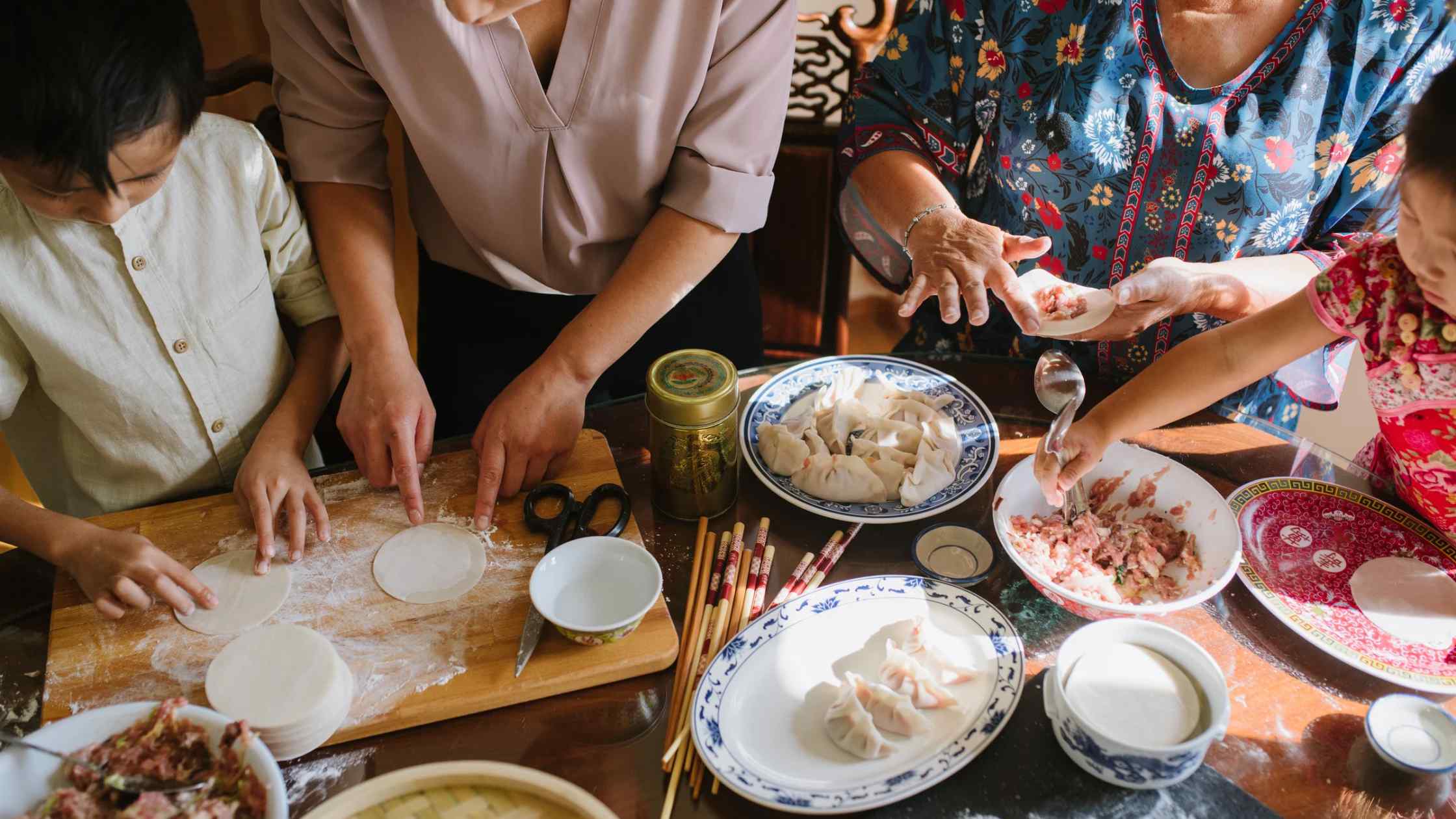
Cooking for the family while on a GLP-1? Learn how to simplify mealtime with smart plating strategies that satisfy everyone’s appetite without extra kitchen work.
A lot of people on GLP-1 medications are still the ones planning dinner for everyone else. A partner who isn't on the medication, kids who are growing, maybe a parent or roommate with their own preferences. Your appetite changes, and everyone else's stays the same.
Cooking two separate meals every night isn't realistic for most households, and it isn't necessary. A few changes to how you plan and serve meals can make one dinner work for everyone at the table.
Start With One Meal, Then Adjust the Plate
The simplest approach is to cook a single meal and change what goes on your own plate rather than what goes in the pan.
Meals that come together at the table work especially well for this. Taco nights, grain bowls, sheet pan dinners, build-your-own salads, and stir-fries with rice on the side all let each person assemble a plate that fits their own appetite. You might load up on the protein and vegetables and take a small scoop of rice or a single tortilla. Your teenager might take three. Nobody's eating a different dinner.
Family-style serving helps for the same reason. When dishes go in the middle of the table, everyone serves themselves, and a smaller portion on your plate doesn't stand out.
Build Dinner Around a Protein
Protein is the part of the meal that matters most when your portions are smaller, since it helps protect muscle and keeps you satisfied longer. It also happens to be a good anchor for family meals in general.
Planning dinner around a protein first, then adding sides, makes it easier to get what you need from a small plate while everyone else fills in with more of the sides. A few family-friendly examples:
Roast chicken with potatoes and green beans
Turkey meatballs with pasta and a side salad
Salmon or shrimp with rice and roasted vegetables
Chili with beans and ground turkey or beef, with toppings on the side
Egg bakes or frittatas with fruit and toast for a breakfast-for-dinner night
When you make your plate, start with the protein and add from there.
Let Leftovers Work for You
Smaller portions mean leftovers stretch further than they used to. One dinner can easily turn into one or two lunches for you.
A few ways to make the most of that:
Portion leftovers into single containers right after dinner so lunch is ready to grab
Cook a little extra protein on purpose, since it's the easiest thing to repurpose into salads, wraps, or bowls later in the week
Freeze single portions of soups, chili, and casseroles for nights when you don't feel like cooking
This also takes some pressure off at dinner. If you aren't hungry enough to finish your plate, the rest can become tomorrow's lunch.
Keep Kids' Needs Separate From Yours
Children and teens have different nutritional needs than adults losing weight. They need enough energy, carbohydrates, and fats to grow, and their portions should follow their own appetite rather than yours.
It helps to keep the focus at the table on the food and the time together rather than on portion sizes or weight. Kids notice how adults talk about food and bodies. Comments about eating less, avoiding certain foods, or losing weight can shape how they think about their own eating. Your plate can look different from theirs without it ever needing to be a topic of conversation.
Plan Around Your Lower-Appetite Days
Some days your appetite will be lower than others, particularly in the days after a dose or after a dose increase. On those days, cooking a full meal can feel like a lot.
Having a few low-effort options in your back pocket makes those nights easier. Rotisserie chicken with bagged salad and microwave rice, a frozen meal for the family while you have Greek yogurt or a protein shake, or a big batch of something from the freezer all count. A simple meal everyone eats is better than a complicated one that leaves you worn out.
The Table Is Still Worth Sitting At
Eating less doesn't have to mean pulling away from family meals. Sitting down together, talking about the day, and sharing food still matter even when your plate is small. You can take part fully in dinner without eating the same amount as everyone else.
This blog is for informational purposes only and does not constitute medical or nutrition advice. For guidance specific to your household's nutrition needs, connect with a registered dietitian.