GLP-1 Medications and Hair Loss: What's Actually Going On
By GLPeak Team · 2026-07-28
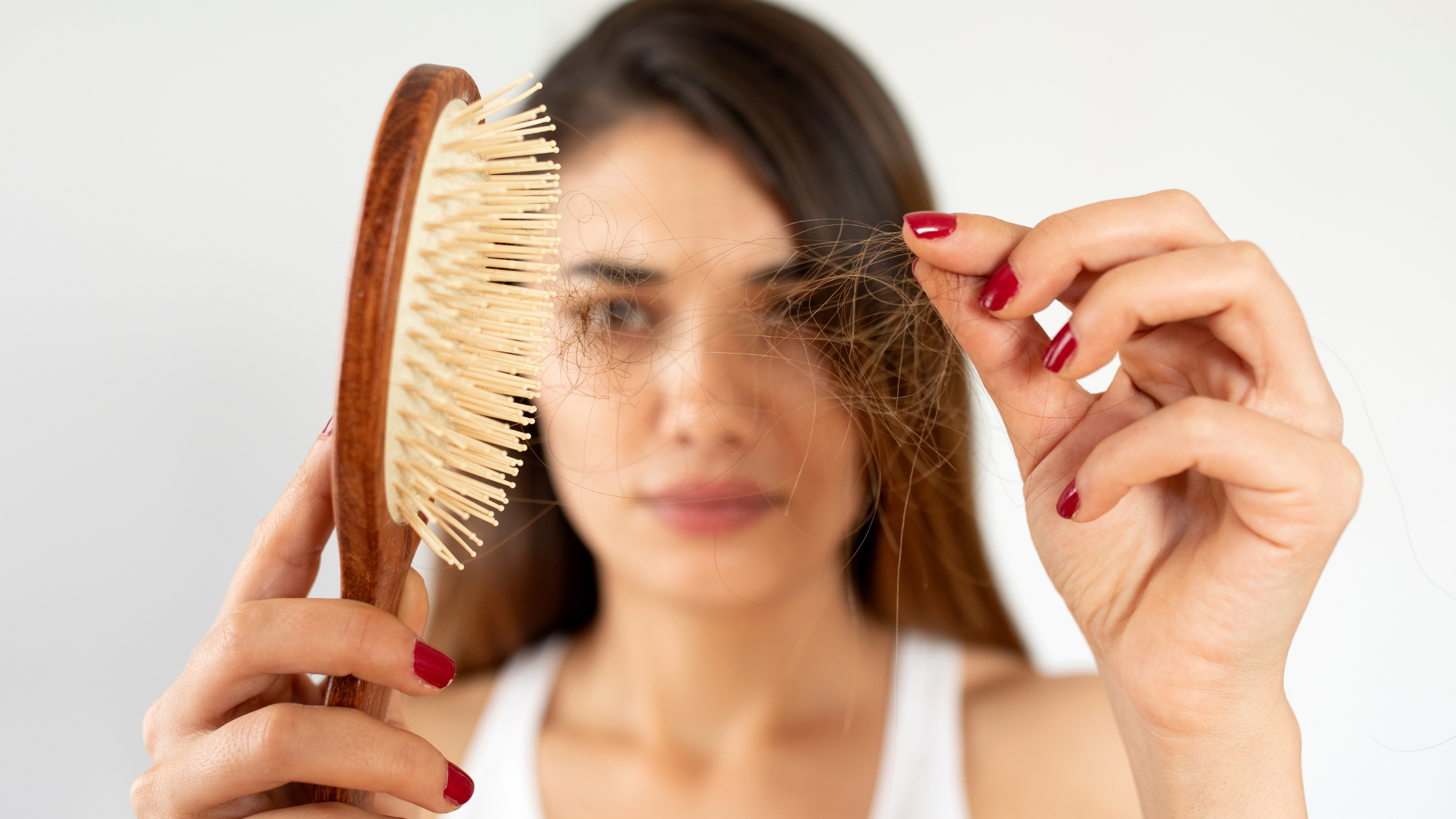
Is GLP-1 weight loss causing your hair to thin? Discover the science behind shedding, what the latest research reveals, and how to protect your hair today.
Hair shedding is one of the more distressing things people report on GLP-1 medications. It tends to show up a few months into treatment, just as the weight loss is becoming noticeable, which makes the timing feel alarming. For most people, it is temporary. It is also largely preventable.
The New Research
A study published in The BMJ in July 2026 compared alopecia rates among nearly 40,000 adults with type 2 diabetes across three medication groups: GLP-1 receptor agonists, SGLT-2 inhibitors, and DPP-4 inhibitors. After adjusting for age, sex, ethnicity, pre-existing conditions, and BMI, GLP-1 use was associated with a higher risk of alopecia compared to SGLT-2 inhibitors, and compared to DPP-4 inhibitors. Women were at greater risk than men.
Two things are important to note. First, the absolute risk was low. Second, the hair loss identified was predominantly non-scarring alopecia, meaning the follicles remain intact and regrowth is possible. The study's authors were careful to say the findings show an association, not a direct causal relationship, and that the mechanisms remain incompletely understood.
What Is Telogen Effluvium
To understand the leading hypothesis, it helps to know how hair actually grows.
Hair follicles cycle continuously through three phases: anagen (active growth), catagen (transition), and telogen (rest and shedding). At any given time, roughly 90% of scalp hairs are in the anagen phase. When the body experiences significant physiological stress, a larger-than-normal number of follicles shift prematurely into the telogen phase. The shedding that follows can occur weeks to months after the triggering event, which is part of why people don't always connect it to what caused it.
This pattern, known as telogen effluvium, is well-documented following surgery, illness, childbirth, and significant weight loss. It is not unique to GLP-1 medications.
Why Rapid Weight Loss Is the Key Factor
A 2024 retrospective study published in Annals of Dermatology followed 140 patients diagnosed with telogen effluvium linked to weight loss. The average rate of loss among those who developed the condition was roughly 3.5 kg per month, or 7.72lbs. GLP-1 medications suppress appetite substantially, sometimes dramatically. Without intentional nutritional planning, it is easy to lose weight faster than the body can adapt to without mounting a stress response. A rate of 0.5 to 2 pounds per week is generally considered sustainable, less likely to trigger the physiological stress that pushes follicles into the resting phase, and more protective of lean muscle mass.
Why Nutrition Is the Other Half of the Picture
Hair is composed almost entirely of a protein called keratin. Keratin synthesis requires a steady supply of amino acids, particularly the sulfur-containing amino acids cysteine and methionine. When protein intake is insufficient, the body deprioritizes non-essential tissues. Hair follicles fall into that category. Follicles shift into the telogen phase, keratin production drops, shedding increases.
Beyond protein, several micronutrients play a documented role in follicle cycling:
Iron and ferritin. Low ferritin is among the more common drivers of hair shedding, particularly in women. Iron supports cellular oxygenation within the follicle.
Zinc. Zinc is involved in protein synthesis and cell division within the follicle. Deficiency is associated with increased shedding and slowed regrowth.
Vitamin D. Vitamin D receptors are expressed in hair follicles and appear to play a role in follicle cycling. Deficiency is widespread in the general population and worsened by reduced food intake.
Vitamin B12 and folate. Both are involved in cell division and are frequently inadequate when overall food intake drops significantly.
When appetite suppression reduces total food intake and protein targets are not being intentionally met, the risk of developing multiple concurrent deficiencies is increased.
What This Means for You
Two modifiable factors stand out clearly from the research: the rate of weight loss and nutritional adequacy.
On pace: losing more than 2 pounds per week consistently increases the likelihood of lean mass loss, micronutrient depletion, and the kind of systemic stress that contributes to hair shedding. If that's where you are, it is worth discussing with your provider.
On nutrition: the current evidence-based protein target for people on GLP-1 medications is 1.2 to 1.6 grams per kilogram of goal body weight daily. Because these medications blunt hunger significantly, hitting that target requires active planning rather than relying on appetite cues. It also means regular bloodwork is worth prioritizing. Testing ferritin, vitamin D, B12, zinc, and a basic metabolic panel annually can identify deficiencies that are both treatable and likely contributing to hair changes before they become significant.
Will the Hair Come Back
For most people, yes. Telogen effluvium is non-scarring, meaning the follicle itself is not damaged. Once the physiological stressor resolves and nutritional status improves, follicles return to the anagen phase and regrowth follows over several months.
People with underlying androgenetic alopecia, thyroid dysfunction, or autoimmune conditions may experience more persistent changes and should be evaluated by a dermatologist if shedding is significant or prolonged.
Hair loss on a GLP-1 medication is not a reason to stop the medication. It is a signal that the pace or nutritional quality of the weight loss process may need more attention. Slow and steady protects more than just the scale.
References:
1. Tang H, Zhang B, Lu Y, et al. Risk of hair loss associated with glucagon-like peptide-1 receptor agonists in adults with type 2 diabetes: target trial emulation. BMJ. 2026;394:e100077. doi: 10.1136/bmj-2026-100077
2. Go CY, Siong-See JL, Wang ECE. Telogen effluvium associated with weight loss: a single center retrospective study. Ann Dermatol. 2024. https://pubmed.ncbi.nlm.nih.gov/39623615/
This blog is for informational purposes only and does not constitute medical advice. Always consult your healthcare provider before making any changes to your medication or health routine.