Concentrated Nutrition on a GLP-1: Are Greens Powders Worth the Scoop?
By GLPeak Team · 2026-04-21
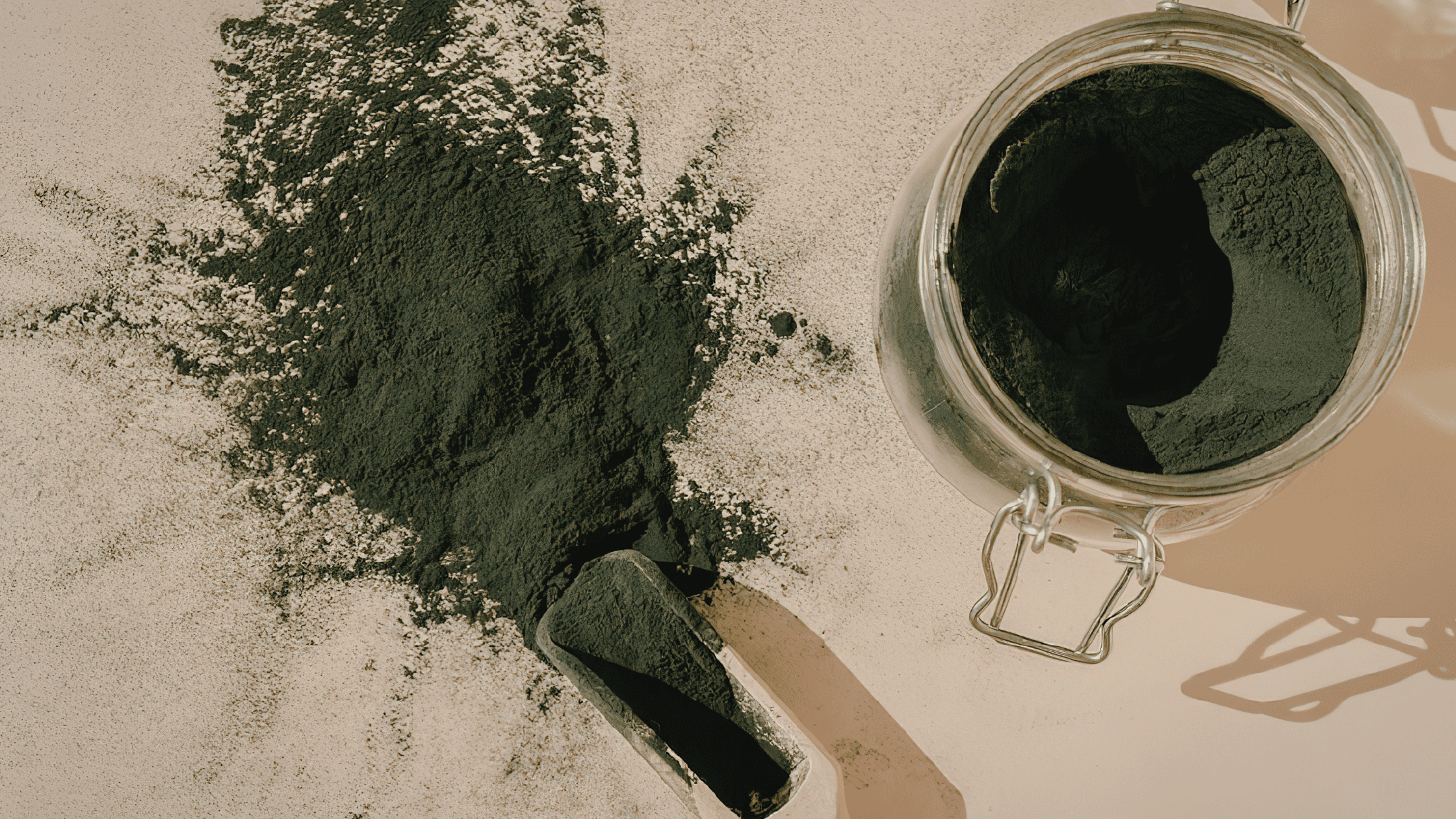
Eating less on a GLP-1? Discover if greens powders provide the nutrients you need or if missing fiber and "proprietary blends" are stalling your health goals.
When you are taking a GLP-1 medication like Wegovy or Zepbound, your capacity for food volume decreases significantly. This can make every meal feel like a high-stakes decision. When you can only finish a small portion, the pressure to get enough vitamins and minerals often leads to interest in greens powders as a way to ensure nutritional bases are covered.
While these powders offer a dense concentration of plant-based micronutrients in a liquid form that is easy to consume when appetite is low, they are not a substitute for the structural benefits of whole food.
The Missing Piece: Fiber and Gut Health
One of the most significant drawbacks of processing plants into powder is the loss of fiber. For someone on a GLP-1, fiber is a critical tool for managing the digestive environment.
Fiber does more than just keep things moving; it serves as a primary fuel source for beneficial gut bacteria. When these bacteria ferment fiber, they produce short-chain fatty acids that help regulate metabolic function. Additionally, soluble fiber plays a key role in heart health by binding to cholesterol in the digestive tract and helping to remove it from the body. Because GLP-1 medications already slow gastric emptying, maintaining a steady intake of fiber is essential to prevent constipation and support a healthy microbiome. A greens powder might provide the antioxidants of a vegetable, but it lacks the roughage required for these secondary health benefits.
The Problem with Proprietary Blends
When evaluating these supplements, a major red flag is the use of proprietary blends. These are groupings of ingredients where the total weight is listed, but the individual amounts of each herb or extract are hidden.
This lack of transparency makes it difficult to know if you are receiving a meaningful dose of a specific ingredient or just a negligible amount. More importantly, it makes it nearly impossible to identify the culprit if you experience an adverse reaction. Some multi-ingredient powders contain dozens of different botanical extracts, which increases the risk of interaction with other medications or simply overwhelming the digestive system.
Safety, Purity, and the Liver
The supplement market is not strictly regulated for safety before products hit the shelves. This is a particular concern with concentrated "superfood" powders, which can sometimes contain high levels of heavy metals like lead or arsenic absorbed from the soil during growth.
There have also been documented cases of liver strain associated with certain concentrated herbal extracts, such as high-dose green tea extract or certain botanical blends. For individuals on GLP-1s, whose metabolic markers are already in a state of change, adding a complex cocktail of extracts can introduce unnecessary risk.
To mitigate this, always prioritize products that undergo third-party testing. Labels from organizations like NSF or USP indicate that an independent lab has verified that the product contains what it claims and is free from harmful levels of contaminants.
Practical Steps for Low Appetite Days
If you find that your appetite is too suppressed to manage a variety of whole vegetables, there are ways to prioritize nutrition without relying solely on expensive powders:
Focus on Diversity: Small, frequent bites of different colored produce throughout the week will provide a more complete profile of micronutrients and fiber than a single daily supplement.
Prioritize Whole Food First: Use powders only as a secondary backup for days when solid food feels impossible, rather than a primary source of nutrition.
Consult a Professional: Before adding any complex herbal supplement to your routine, discuss it with your healthcare provider. They can help you determine if a simple, targeted multivitamin might be a safer and more effective option for your specific needs.
Ultimately, the goal is to use the reduced appetite provided by the medication as an opportunity to focus on high-quality, nutrient-dense whole foods. While a supplement can help bridge a temporary gap, the most sustainable health outcomes come from the fiber, water, and complex structure of the plants themselves.