Building Habits That Last: How to Set Yourself Up for Life After GLP-1 Medications
By GLPeak Team · 2026-08-04
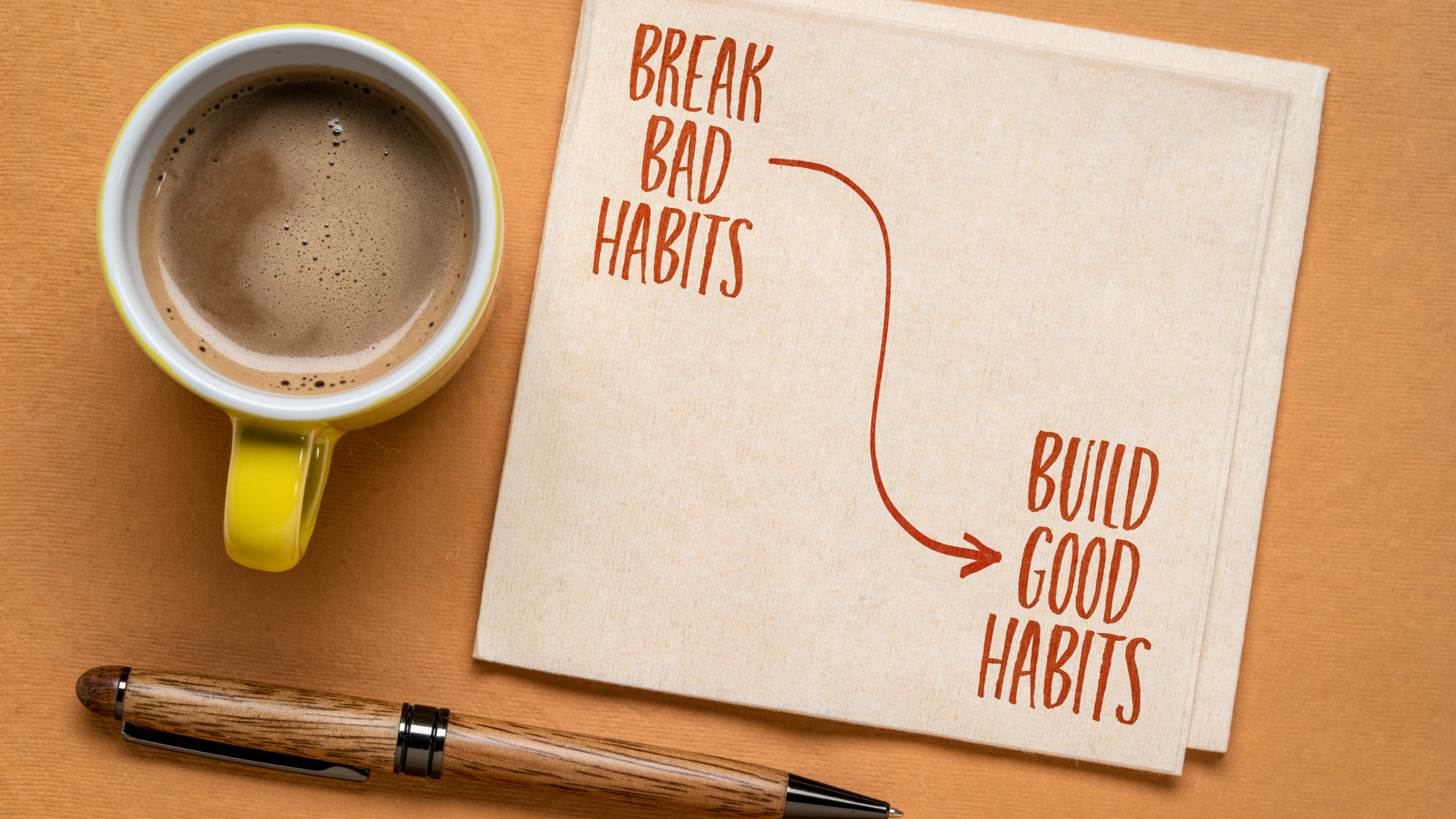
Don't let weight regain erase your progress. Discover how to build the lasting habits and lifestyle shifts needed to maintain your results after GLP-1 therapy.
Wondering what happens when you stop your GLP-1 medication is one of the most common questions people have. Most patients don't want to be on medication indefinitely, and that preference deserves an honest conversation with your provider rather than a brushed-off answer.
Here's what the research shows: clinical trials on semaglutide and tirzepatide have consistently found that weight regain begins after discontinuation. In the SURMOUNT-4 trial, adults with obesity who lost an average of 20.9% of their body weight over 36 weeks on tirzepatide were then randomized to either continue the medication or switch to placebo for 52 weeks. Those who continued tirzepatide lost an additional 5.5%. Those switched to placebo regained 14%. The question remains, how does one set themselves up for success so that a 14% weight regain after discontinuation is less likely to happen?
The patients who fare best after discontinuation aren't relying on willpower. They're relying on habits built while the medication was still working.
GLP-1 medications reduce appetite, quiet food preoccupation, and create a window of metabolic support that is genuinely difficult to access otherwise. What you build inside that window determines what carries forward.
Make an Eating Schedule and Stick to It
One of the less appreciated benefits of GLP-1 medications is that they make it easier to eat at consistent times. Appetite suppression removes a lot of the urgency and chaos around food, which creates a natural opening to establish structure.
While on the medication, practice eating three structured meals at roughly the same times each day. Skipping meals because you're not hungry might feel intuitive, but it sets up irregular patterns that become harder to sustain once appetite suppression is no longer in the picture. The goal is to build a rhythm your body can rely on.
Prioritize Protein at Every Meal
Protein is the nutrient most directly connected to maintaining the results you've worked for. It preserves lean muscle mass during weight loss, supports satiety, and has a higher thermic effect than carbohydrates or fat, meaning your body burns more energy digesting it.
The evidence-based target for people on GLP-1 medications is 1.2 to 1.6 grams of protein per kilogram of goal body weight daily. That number doesn't change when the medication stops. Protein-driven satiety becomes one of the primary tools you rely on once appetite suppression is no longer present.
Practice the protein-first rule at every meal now: eat your protein before your vegetables, before your carbohydrates, before anything else. When portions are small or appetite is unpredictable, this ensures the most satiating part of the meal gets prioritized.
Food Quality Over Perfection
Smaller portions mean every eating occasion carries more nutritional weight. A plate built around adequate protein, fiber-rich vegetables, whole food carbohydrates, and healthy fats supports blood sugar stability and sustained satiety in ways that heavily processed foods don't, even at equivalent calorie counts.
This is also the time to practice navigating real-world food environments: restaurants, social occasions, travel, and high-stress periods. GLP-1 medications make different choices easier right now. Making those choices repeatedly across a range of situations is what converts intention into habit.
Build Resistance Training Into Your Routine
Cardiovascular exercise is valuable, but resistance training does something more specific during weight loss: it preserves lean muscle mass, which directly supports long-term metabolic rate and physical function.
Two to three sessions per week is a well-supported starting point. The format matters less than the principle of progressive overload: consistently asking your muscles to do slightly more than they did before. Bodyweight exercises, resistance bands, and free weights all count. Starting now, while motivation tends to be higher and appetite suppression is working in your favor, means you're building the habit under the best possible conditions rather than waiting until you're navigating weight maintenance without that support.
The Bigger Picture
GLP-1 medications addressed some of the barriers that made weight loss feel so difficult, including appetite dysregulation and food preoccupation rooted in physiology, not discipline. They created access to a process that previously felt out of reach for many people.
The habits here aren't a contingency plan for if the medication stops. They are the foundation of what makes any weight management strategy sustainable. An eating schedule, a protein target, a consistent training practice: none of these require a prescription to maintain.
Whether you stay on your medication long-term, taper down, or eventually discontinue is a conversation that belongs between you and your provider. What you build in the meantime is yours to keep.
References:
Aronne LJ, et al. Continued treatment with tirzepatide for maintenance of weight reduction in adults with obesity: the SURMOUNT-4 randomized clinical trial. JAMA. 2024;331(1):38-48. doi:10.1001/jama.2023.24945
This blog is for informational purposes only and does not constitute medical advice. Always consult your healthcare provider before making any changes to your medication or health routine.