Beyond the Protein Obsession: The Overlooked Essentials of GLP-1 Success
By GLPeak Team · 2026-04-10
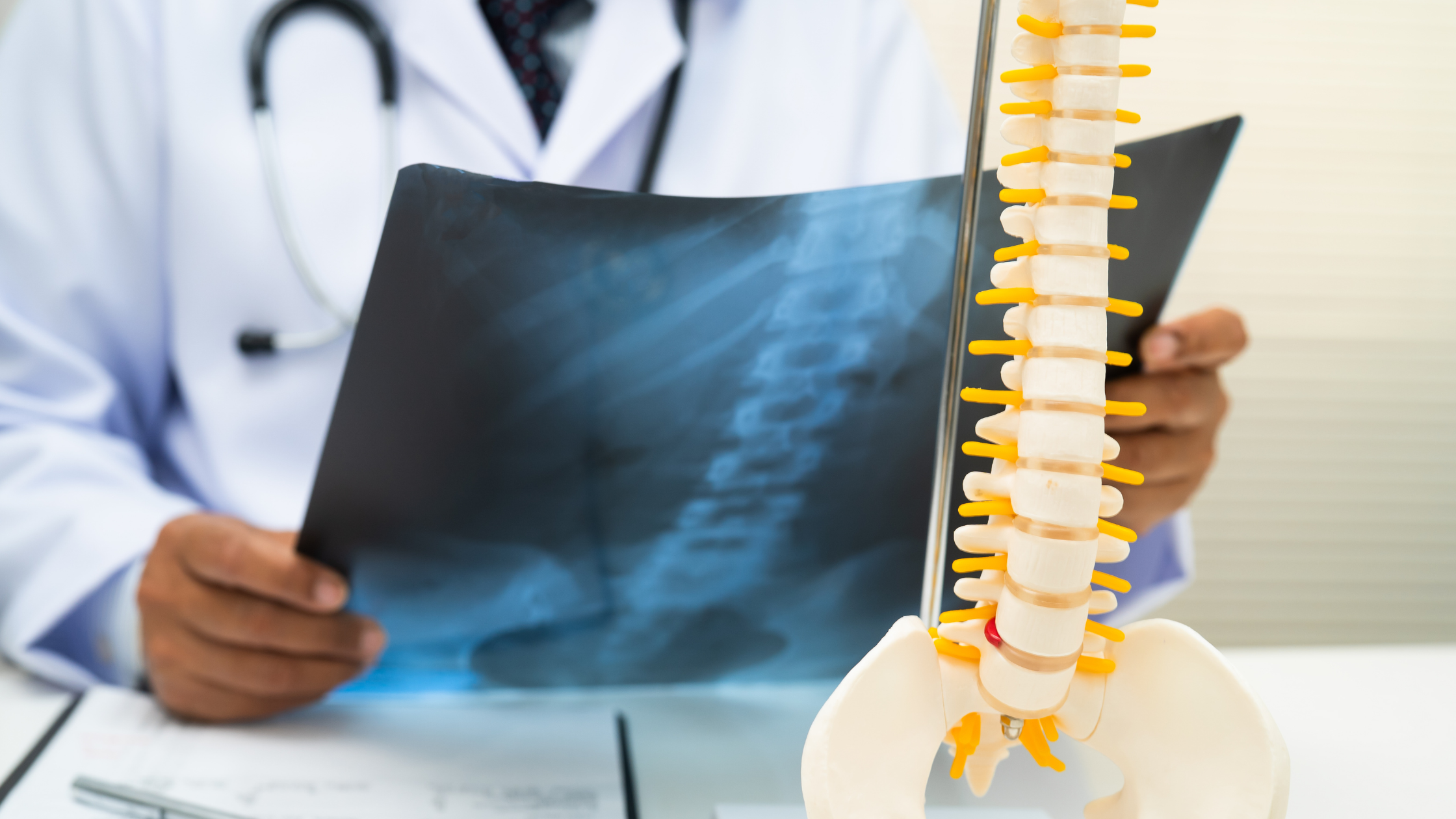
Protein is vital, but are you ignoring your bones? Discover the hidden risks of GLP-1 weight loss and the essential nutrients you need to protect your long-term health.
The conversation around GLP-1 medications like Ozempic and Zepbound has recently centered on one major nutritional pillar: protein. While muscle preservation is undeniably important, focusing solely on protein can leave other critical health needs in the shadows.
Recent research, including a study from the University of Pennsylvania presented in March 2026, highlights why we need to broaden our perspective. The data found that GLP-1 users faced a higher relative risk of osteoporosis and gout compared to non-users. These findings do not mean the medications are unsafe, but they serve as a vital reminder: when you eat less volume, nutrient density becomes a non-negotiable priority to ensure you aren't missing the vitals.
Protecting Your Foundation: Bone Health
It is a well-documented fact that significant weight loss can lead to bone loss. When the body loses weight rapidly, the mechanical loading on our bones changes, and the rate of bone turnover can fluctuate. To counter this, a successful weight loss plan should be as intentional about skeletal health as it is about the scale.
Calcium and vitamin D intake are the cornerstones of this protection. Because appetite suppression makes it harder to get these nutrients through food alone, supplementation is a potential treatment option that should be discussed with a healthcare provider to address specific deficiencies. Furthermore, resistance training is a critical lifestyle intervention. Lifting weights sends a signal to the body to maintain bone mineral density, ensuring that a leaner frame is supported by a strong foundation.
The Hidden Risk of Diminished Thirst
One of the more subtle effects of GLP-1 medications is that they can diminish thirst cues alongside hunger cues. This increases the risk for dehydration, which has a direct link to the study's findings on gout.
Gout is caused by a buildup of uric acid crystals in the joints. Dehydration leads to increased uric acid concentrations in the blood, making it harder for the kidneys to flush those crystals out. The difference in gout incidence among GLP-1 users is not too surprising when you consider how easy it is to forget to drink water when you aren't feeling traditional thirst. Staying hydrated throughout the day is key to flushing out the uric acid crystals that contribute to gout attacks.
Simplifying the Solution
The good news is that nutrition doesn't have to be overcomplicated. You do not need a complex system to navigate your health while on these medications. If you focus on two simple habits, you naturally cover most of these points:
Eat a variety of colors: Incorporating a rainbow of produce ensures you are getting a broad spectrum of micronutrients.
Drink water throughout the day: Making hydration a scheduled habit rather than a response to thirst prevents the uric acid spikes associated with gout.
The Magic Pill Myth
GLP-1 medications are powerful tools, but they should not be viewed as a magic pill. The data on osteoporosis and gout reinforces that these medications need to be taken alongside intentional lifestyle changes for patients to be successful.
True success on a GLP-1 is not just measured by the weight lost, but by the health gained. By prioritizing micronutrients, bone-strengthening exercise, and consistent hydration, you can ensure your journey is both healthy and sustainable for the long term.