Berberine and GLP-1 Medications: What You Should Know Before Combining Them
By GLPeak Team · 2026-05-26
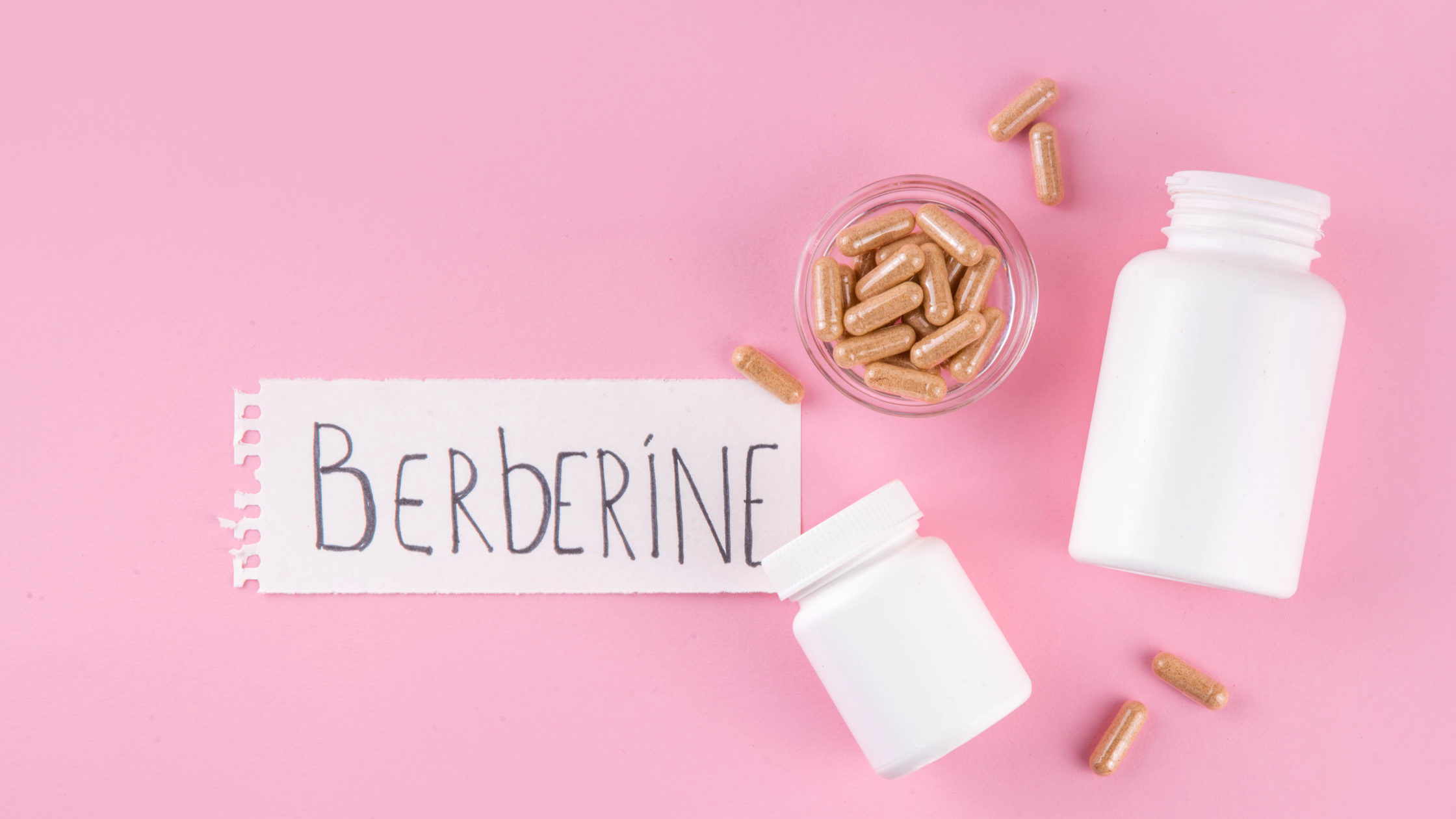
Is berberine really "nature’s Ozempic"? Discover how it works and what you must know about the risks and benefits before mixing it with GLP-1 medications.
You may have heard berberine called "nature's Ozempic." It's all over social media, wellness circles, and supplement aisles. And while the nickname is catchy, the science tells a more nuanced story, especially if you're already on a GLP-1 medication like semaglutide (Ozempic, Wegovy) or tirzepatide (Mounjaro, Zepbound).
What Is Berberine?
Berberine is a compound found in several plants, including goldenseal. It's been used in traditional medicine for centuries to treat everything from infections to metabolic conditions. Today, it's most commonly taken for:
Blood sugar regulation: it activates AMPK, an enzyme that helps regulate how your body processes glucose and energy
Cholesterol and triglycerides: it inhibits lipoprotein lipase, an enzyme involved in fat and cholesterol production
Blood pressure: studies suggest it can lower BP, especially when combined with lifestyle changes
PMOS (polyendocrine metabolic ovarian syndrome, formerly PCOS) and hormonal balance: it has been shown to lower testosterone, improve ovulation, and reduce insulin resistance
Metabolic fatty liver disease (MASLD, formerly NAFLD): a review of 6 clinical trials found it significantly reduced liver fat and improved liver enzymes
The typical dose studied in research is 500–1,500 mg per day, usually divided into two or three doses.
How Does It Compare to Metformin?
In a head-to-head study of 89 women with PMOS, berberine performed comparably to metformin, reducing insulin, glucose, and testosterone, but with fewer side effects. Berberine users also saw greater improvements in cholesterol and body fat loss. That said, given berberine's contraindications and limited long-term safety data, most clinicians still recommend trialing metformin first.
Can You Take Berberine With a GLP-1 Medication?
Yes, they can be combined, but only under medical supervision. Here's why that matters:
Both berberine and GLP-1 medications (like semaglutide or tirzepatide) lower blood sugar. GLP-1s do this by stimulating insulin release and slowing digestion. Berberine does it through AMPK activation and improved insulin sensitivity. When taken together, the combined blood sugar-lowering effect increases your risk of hypoglycemia (low blood sugar), which can cause shakiness, confusion, sweating, and in severe cases, loss of consciousness.
This isn't a reason to avoid the combination entirely, but it is a reason to have a provider monitor you and adjust doses carefully.
What Else Should You Know?
Before trying berberine, here's a quick science-backed rundown:
Pregnant or breastfeeding? Berberine is a hard no. It is contraindicated in pregnancy and nursing.
On an SSRI? There may be an increased risk of serotonin syndrome. Talk to your doctor.
Elevated liver enzymes? Use caution. Some animal studies suggest high doses may affect liver function.
GI side effects like nausea, cramping, or diarrhea are the most common complaints, especially at higher doses.
The Bottom Line
Berberine has genuinely promising research behind it. For blood sugar, cholesterol, PMOS, metabolic fatty liver disease, and blood pressure, the data is encouraging. But "natural" doesn't mean without risk, especially when combined with medication like a GLP-1 agonist. If you're curious whether berberine is right for you alongside your current medications, bring it up at your next appointment.
This blog is for informational purposes only and does not constitute medical advice. Always consult a qualified healthcare provider before starting any supplement.
References:
Li Z, Wang Y, Xu Q, Ma J, Li X, Yan J, Tian Y, Wen Y, Chen T. Berberine and health outcomes: An umbrella review. Phytother Res. 2023 May;37(5):2051-2066. doi: 10.1002/ptr.7806. Epub 2023 Mar 31. PMID: 36999891.
Wei W, Zhao H, Wang A, Sui M, Liang K, Deng H, Ma Y, Zhang Y, Zhang H, Guan Y. A clinical study on the short-term effect of berberine in comparison to metformin on the metabolic characteristics of women with polycystic ovary syndrome. Eur J Endocrinol. 2012 Jan;166(1):99-105. doi: 10.1530/EJE-11-0616. Epub 2011 Oct 21. PMID: 22019891.